

FTNN 2025 Conference Guide
Creating Your Podium Presentation
or Poster
"One Heart, Many Hands"
Everything you need to go from idea to submission — step by step, with tips from the nurses who've done it.
Creating a Podium Presentation or Poster for FTNN Conference
Kris Rimbos · Katie Francis · Allie Wayne
Why Submit?
Real voices from your FTNN community
Submitting to the FTNN is the best way to present — you're surrounded by friendly faces who share your excitement and look at you as an expert.
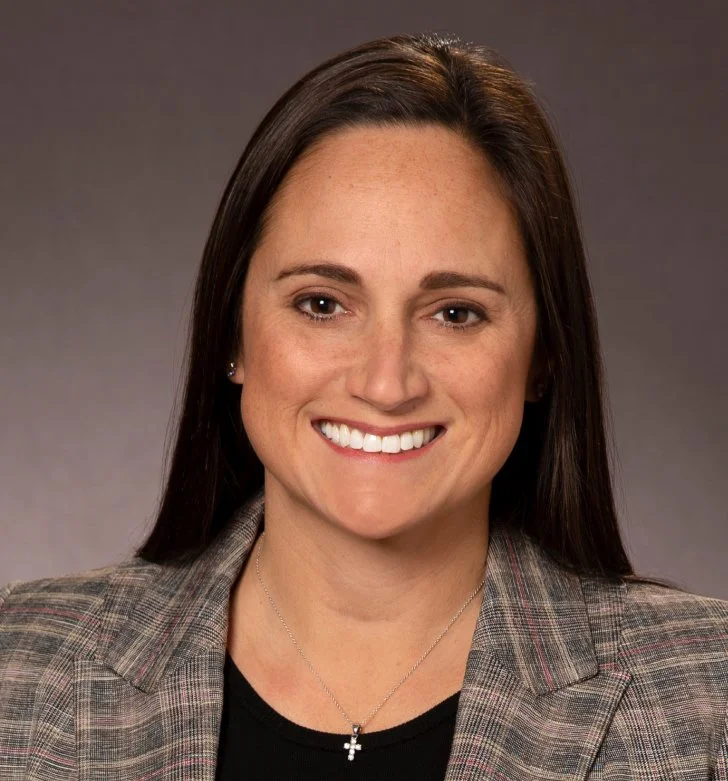
Every time I've presented at FTNN it's been really fun. Talk about something near and dear to your heart — your expertise and enthusiasm shine through.

Whether you're at a large fetal center or a small one, what you have to share is always valuable. Your community is here to cheer you on.
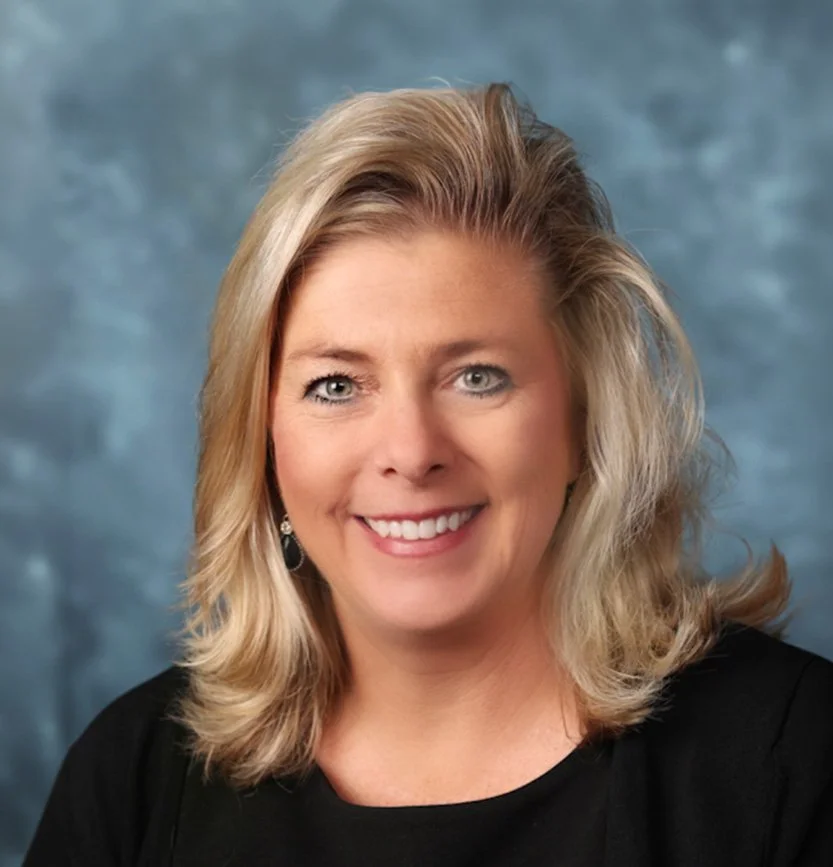
Choosing Your Topic & Title
You don't need a completed study — you just need something worth sharing
What Counts as a Topic?
It doesn't have to be formal research
Many nurses hesitate because they think they need a fully published research project. You don't. Valid topics include:
- Recurring themes or challenges you notice in daily practice
- Knowledge gaps you've identified — including questions still being explored
- Programs or protocols your center has implemented
- A project still in progress — preliminary findings are welcome
- Something you want to learn about that others are likely also wondering
Fetal centers are newer and all look different. Whether you're at a large academic center or a small community program, your perspective is uniquely valuable.
Crafting Your Title
Clear, catchy, and aligned with the conference theme
Your title can come at the start of your process or after your content is mapped out — both approaches work.
- Be descriptive: Attendees should be able to tell what the topic is from the title alone so they know if it's relevant to them.
- Be creative: A catchy title helps your submission stand out and match the tone of the conference.
- Use the theme: This year's theme is "One Heart, Many Hands." Tying your title to it — even subtly — shows cohesion.
Research & Learning Objectives
How to gather evidence and define what attendees will walk away knowing
Conducting a Literature Search
Where to look and what to prioritize
Start broad, then narrow down to what's most relevant to your question.
- Hospital library: If your institution is connected to a medical school, you likely have access to a library that can pull nearly any published article.
- Google Scholar: Free and accessible — often enough to find abstracts and key citations even without full access.
- Peer review matters: Prioritize peer-reviewed articles, but know that in a newer field like fetal care, not everything will be peer-reviewed.
- Recency: For contact hour applications, aim for articles published within the last 5 years. Foundational seminal articles may be older.
Writing Learning Objectives
3–5 required for the contact hour application
Learning objectives define what your audience will be able to do or know after your talk. They are required for the FTNN contact hour application.
- Start with action verbs: Identify, Describe, Explain, Apply, Demonstrate
- Each objective should map to a core theme or section of your presentation
- Use them as a structural anchor — build your content around meeting each one
Structuring Your Talk
From brain dump to polished outline
The Brain Dump Method
Start messy, edit ruthlessly
- Write down everything you want to say — don't filter yet. Let it be messy.
- Identify your 3–5 core themes. These become your section headers or major slide groups.
- Pair each theme to a learning objective. If content doesn't serve an objective, consider cutting it.
- Pare down based on your time slot. Be realistic about how much you can say well.
- Step away, then come back with fresh eyes. You'll see what's essential and what's noise.
Managing Your Time
Fitting your content to your slot
Once you've mapped your themes, time-box your content. Each section should fit naturally within your allotted slot — don't assume you can cover more than you actually can.
- Practice your talk aloud and time it — not just mentally rehearse it
- Build in pauses: for audience questions, transitions, and breathing room
- If you're going over, cut content rather than rushing delivery
- Submit slides to the conference organizer early — they'll appreciate the lead time and you'll benefit from their feedback
Designing Your Slides
Visual storytelling that holds attention
Less Text, More Impact
Design principles for adult learners
- Set your template first: Choose fonts, colors, and layout before building content. Fixing inconsistency later is time-consuming and frustrating.
- One theme per slide: Each slide should represent a single idea or message.
- Visuals over words: Use graphs, illustrations, or photos to complement your spoken words — not duplicate them.
- More words = less read: Especially on posters. If you have strong graphics, let them do the work.
Engagement & Interactivity
Polls, videos, animations — keep them engaged
Adult learners retain information better when they interact with it — not just listen to it.
- Live polls: Ask a question at the start to set up the problem, or mid-presentation to check understanding.
- Short video clips: A 30-second patient story or procedural clip can say more than 3 slides.
- Animations: Simple transitions guide attention and help sequence complex information.
- QR codes (especially on posters): Link to a full presentation, your team's site, or supplemental resources to make it interactive.
Managing Nerves
Everyone gets nervous. Here's how to work through it.
Before You Present
Practice strategies that actually work
- Practice out loud — a lot: Read your notes so many times they become memory. Then soften it into natural speech.
- Practice for people: Your dog, your spouse, a colleague, the board. Real practice sessions with others are especially helpful.
- Schedule a group run-through: If several colleagues are presenting, block an hour, run through each other's presentations, and give feedback.
- Know your passion: If you lose your place, your passion for the subject will carry you through. You can't forget what you care about.
While You're Presenting
Mindset and in-the-moment techniques
- Speak from the heart: Your expertise and enthusiasm shine through when you talk about something you genuinely care about.
- Acknowledge your nerves: There's nothing wrong with being vulnerable. When a recent presenter admitted she was nervous, the whole room responded with encouragement. FTNN people root for each other.
- Remember your audience: Everyone in that room shares your excitement about fetal care. They're there to learn from you — not judge you.
- Take a breath: If you lose your place, a slow deep breath reads as confident pacing, not panic.
Submission Requirements
What's needed on the form — podium and poster
Podium Presentation
Due Apr 1- Title
- Background & purpose
- Aim / purpose statement
- Methods
- Results / findings
- 3–5 learning objectives
- References
Poster Presentation
Due Apr 13- Title
- Background & purpose
- Aim / purpose statement
- Methods
- Results / findings
- 3–5 learning objectives
- References
You're Not Alone in This
FTNN has resources and people ready to help you from abstract to applause.
Get a Mentor
A board member will guide you through the process. Email ftnnboard@gmail.com to be matched.
Practice with Peers
Schedule a group run-through with colleagues at your institution — especially if multiple people are presenting.
See Past Posters
Visit fetaltherapynursenetwork.org, scroll to the bottom of the homepage, and find the 2025 conference poster archive.
Submit Your Abstract
Find the form on the FTNN website. Podium by April 1 · Poster by April 13.